
Doughy delicacy: A matter of artistic taste
原标题:Doughy delicacy: A matter of artistic taste Jiaodong huabobo shapes the way Shandong natives express good wishes
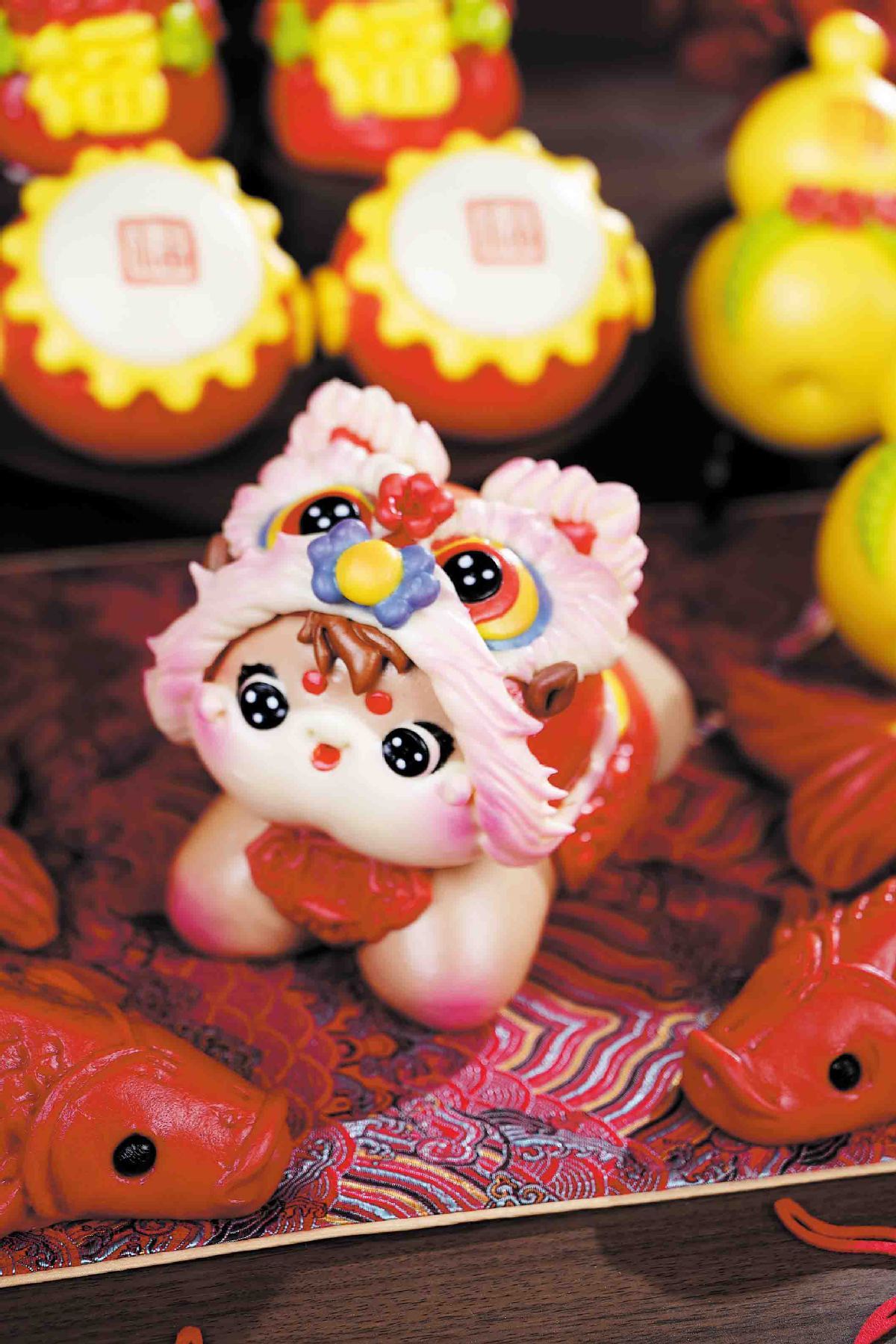
Jiaodong huabobo,蒲城新闻网首页官网招聘 or flowershaped buns. CHINA DAILY
On any given morning in Jiaodong, in China's eastern Shandong province, something extraordinary is happening inside steamer baskets. A lump of dough goes in. What comes out is a shiny red fish, an auspicious lion with a flowing mane, or a peach the size of a child's face, blushing pink as if freshly picked.
These are Jiaodong huabobo, or flower-shaped buns, quietly serving up a taste of Shandong life for centuries. For travelers passing through, they are the first hint that Chinese bread is anything but ordinary.
Gai Yaping, 41, a city-level inheritor of the Jiaodong huabobo intangible cultural heritage from Yantai, said, "Tourists from overseas usually say: 'This is beautiful. But … can we actually eat it?'"
The answer, of course, is yes.
"We once made a pigshaped bun for some guests. When they broke it open and found little dough 'piglets' inside, they were utterly amazed,"Gai recalled.
Jiaodong huabobo is the storyteller for Shandong's rituals. "It is made for many occasions: festivals, Chinese New Year, weddings, funerals, moving in to a new house and business openings,"Gai said.
When a baby turns one month old, families gift tiger-shaped buns, a blessing for the child to grow strong and healthy. For grandparents celebrating longevity, peachshaped buns emerge from the steamer to symbolize long life. At weddings, peonies, dragons, phoenixes and mandarin ducks are served up to convey love.
In Shandong, huabobo deliver messages. "We don't send greeting cards for occasions. We celebrate important occasions with buns,"Gai said.
Most designs follow customs passed down through generations. While the traditions are ancient, the craft itself has evolved.
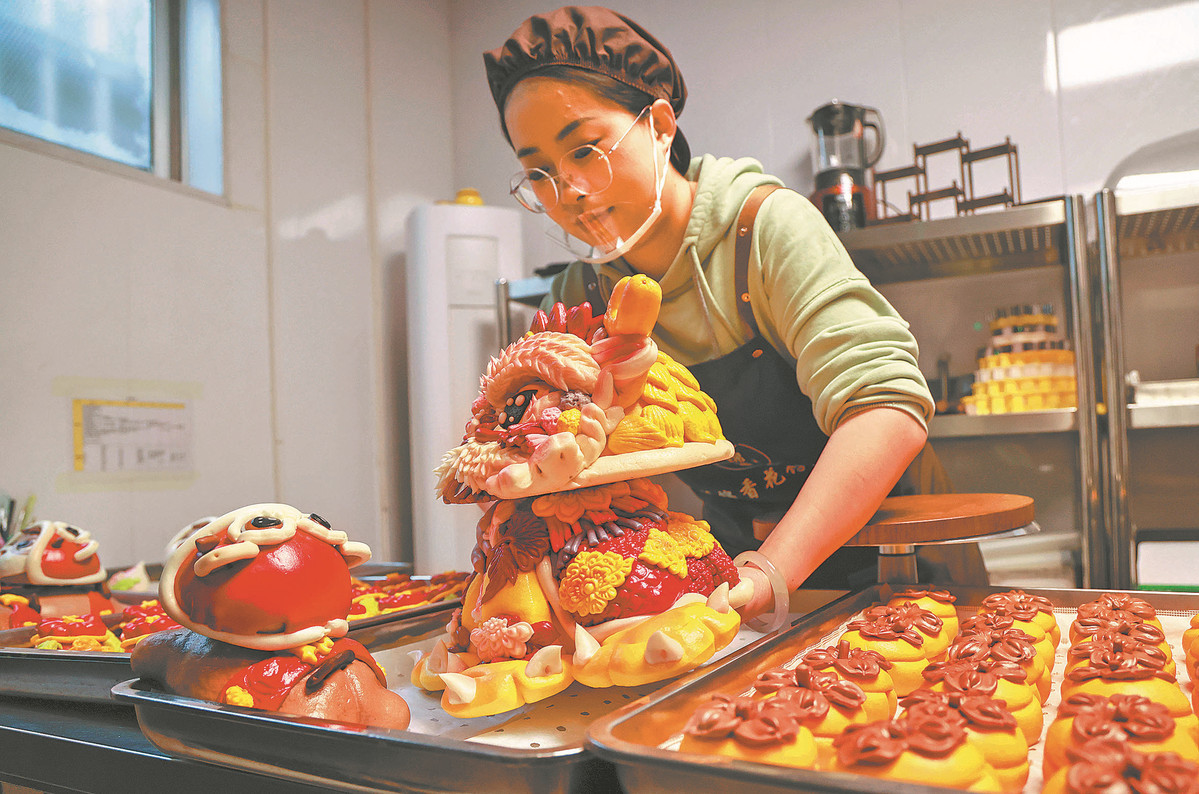
Shop owner Li Yanan arranges freshly steamed huabobo, or flower-shaped bun, at her shop in Linyi, Shandong province, on Feb 4. XU CHUANBAO/FOR CHINA DAILY
"Today's huabobo is more vibrant. We were limited before. We didn't have tools to extract colorful juices all year round. Most buns were white. Now, we can use spinach for green or pumpkin for yellow," Gai said.
The creation process is profoundly hands-on.
"The main method is hand sculpting, using simple tools like scissors, chopsticks and spoons," Gai said.
Mastering it requires patience. There is no fixed timeline. Some people have natural dexterity, while others do not. Generally, one or two years of practice are needed, she added.
But true mastery lies not just in shaping, but also in an intangible, critical step: allowing the dough to ferment.
"The shaping itself isn't standardized. It's handcrafted, not machine-made. But the fermentation has a standard," Gai said.
"No matter how beautiful the sculpting is, if the fermentation fails, everything is ruined."
"We adjust the steaming time based on size. A 500-gram bun might steam for over an hour, while a 50-gram bun needs 10 minutes."
Her craftsmanship has helped her online business attract customers nationwide and from abroad.
Online, huabobo shops have gained popularity. On shopping platforms like JD.com and Taobao, customers have left glowing reviews: "Bought it for my dad's birthday. It's more practical and prettier than a cream cake."
Another wrote: "A total hit at the birthday dinner, delicious, beautiful and elegant. Perfect for anyone who isn't into cake."
"If you take one home, please don't just leave it on a shelf. Eat it," Gai said. "We want the art to be beautiful to look at, and even better to taste."
本文转载:临池古城新闻网站官网 https://plepuj.jbmqvs.cc/html/6c26299731.html
特别声明:本文仅供交流学习 , 版权归属原作者,部分文章推送时未能及时与原作者取得联系,并不代表本站赞同其观点和对其真实性负责,也不构成任何其他建议。若本文来源标注错误或无意侵犯到您的知识产权作品或损害了您的利益,我们会及时修改或删除。
相关文章
文章评论
来说两句吧...共有7534条评论
- 站长推荐
- 点击排行
站长推荐





标签云
- 今日甘肃新闻网金昌(7447) 辽宁大连新闻网官网(2326) 新疆蔬菜供应新闻网官网(79) 廊房公安新闻网(27932) 海南人社新闻网官网(423) 福建先锋车祸新闻网官网(26794) 兴国中学新闻网官网(337) 曲阜街头新闻网招聘网(6) 小学生 新闻网(6275) 中国新闻网官网贝店(85) 淅川药厂新闻网招聘(851) 盐城头条新闻新闻网(19) 烈山法院新闻网官网(1262) 日照新闻网红车(635) 岱山国税新闻网(72244) 浙江嘉兴东方新闻网官网(695) 沙井出租新闻网(328) 上海金华新闻网(37) 金华房市前沿新闻网官网(184) 张家口新闻网新闻宣化(8) 龙湾新闻网朱垟(34) 高邮有哪些新闻网(5) 运城新闻网在线观看(1) 横店最新骗局新闻网(1) 大河新闻网李彤(2772) 常山农投新闻网(51651) 常州招生新闻网官网入口(9) 黄石新城医院新闻网(3) 莘县宋庄新闻网招聘(7747) 权威发布中国新闻网(6649)